
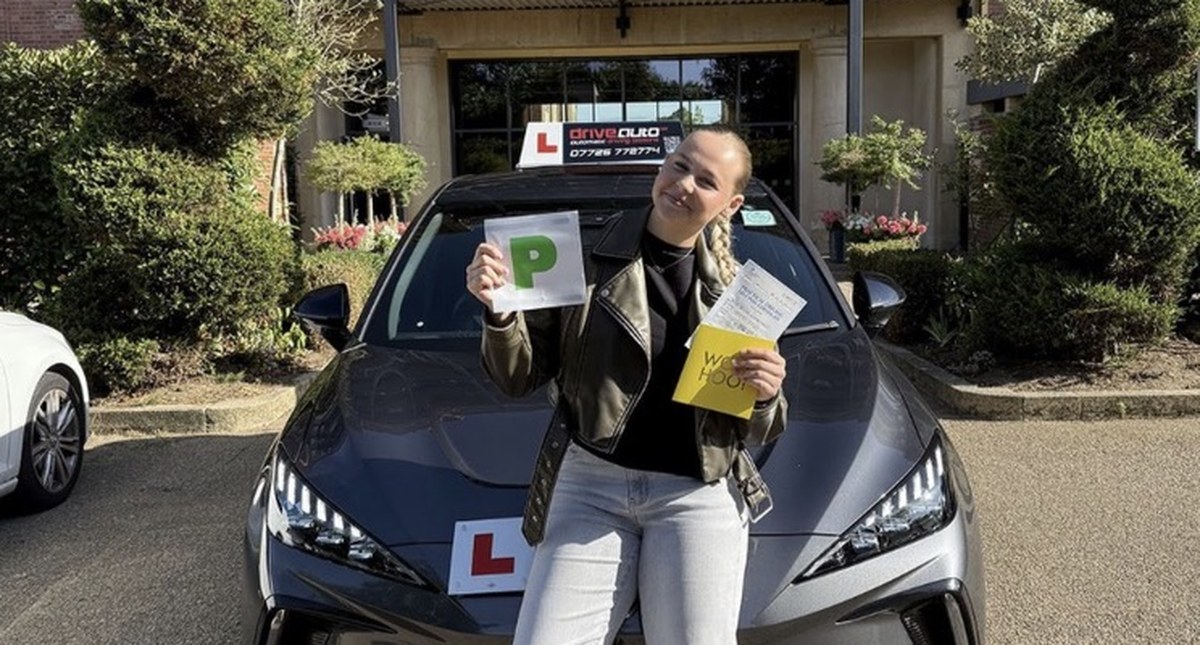
Passing your driving test first time is the goal for every learner driver — but it takes more than just knowing the rules of the road. After helping hundreds of pupils pass their tests in Harrogate and York, here are the five most important things you can do to give yourself the best possible chance.
1. Practise Until It Feels Natural
The biggest difference between pupils who pass first time and those who don't is usually the amount of quality practice they've had. Aim to be at a level where your driving feels natural and automatic — not something you have to consciously think through step by step.
This doesn't just mean clocking up hours. It means practising specific manoeuvres and weak spots repeatedly until they feel second nature. Talk to your instructor about which areas need the most work and focus there.
2. Know the Test Routes
While you can't predict the exact route your examiner will take, most test centres use a set of familiar roads. Ask your instructor to take you over the likely test routes well before your test date. Familiarity with the roads removes one source of anxiety on the day.
Key areas to focus on
Pay particular attention to any complex junctions, roundabouts or road markings that appear on the test routes. Your instructor will know which ones catch pupils out most often.
3. Get a Good Night's Sleep
This might sound obvious, but it's one of the most commonly overlooked factors. Tiredness affects your concentration, reaction time and decision-making. Try to get at least seven to eight hours of sleep the night before your test. Avoid staying up late practising the theory or watching anxious YouTube videos.
4. Manage Test Day Nerves
Some nerves are normal — and actually helpful, keeping you alert and focused. But too much anxiety can cause you to make mistakes you wouldn't normally make. Here are some practical ways to stay calm:
- Eat a proper breakfast — low blood sugar increases anxiety
- Arrive at the test centre with time to spare
- Do some light physical activity in the morning to burn off excess adrenaline
- Take slow, deep breaths before you start the engine
- Remember: minor faults are allowed — you don't need to be perfect
5. Don't Rush
One of the most common causes of test failure is rushing — moving away too quickly, not checking mirrors properly, or cutting corners on manoeuvres. On your test, take the time you need. If you need a moment to check your mirrors and surroundings before pulling away, take it. Examiners are not timing how quickly you do things.
Ready to start your driving journey? Book automatic driving lessons in Harrogate or York with Chris at Drive Auto 1st. He'll make sure you're fully prepared for your test.
Book LessonsFinal Thoughts
Passing first time is absolutely achievable — thousands of pupils do it every week across the UK. The key is preparation, practice and managing your nerves on the day. If you're learning in an automatic, you've already removed one of the biggest sources of stress for new drivers: the gearbox.
If you'd like to discuss your progress or find out how many lessons you might need before you're test-ready, don't hesitate to get in touch.